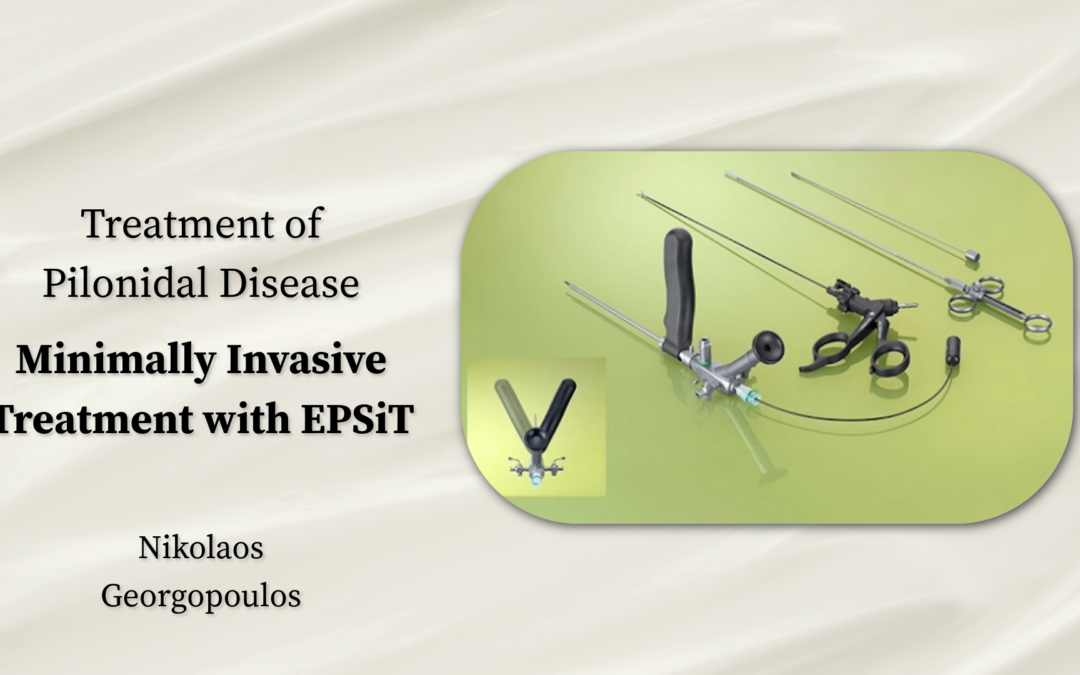
 Endoscopic Treatment of Pilonidal Disease – Modern, Minimally Invasive Treatment with EPSiT Surgical treatment is recommended for symptomatic pilonidal disease to address the underlying sinus tracts and reduce the risk of persistent infection or recurrence....
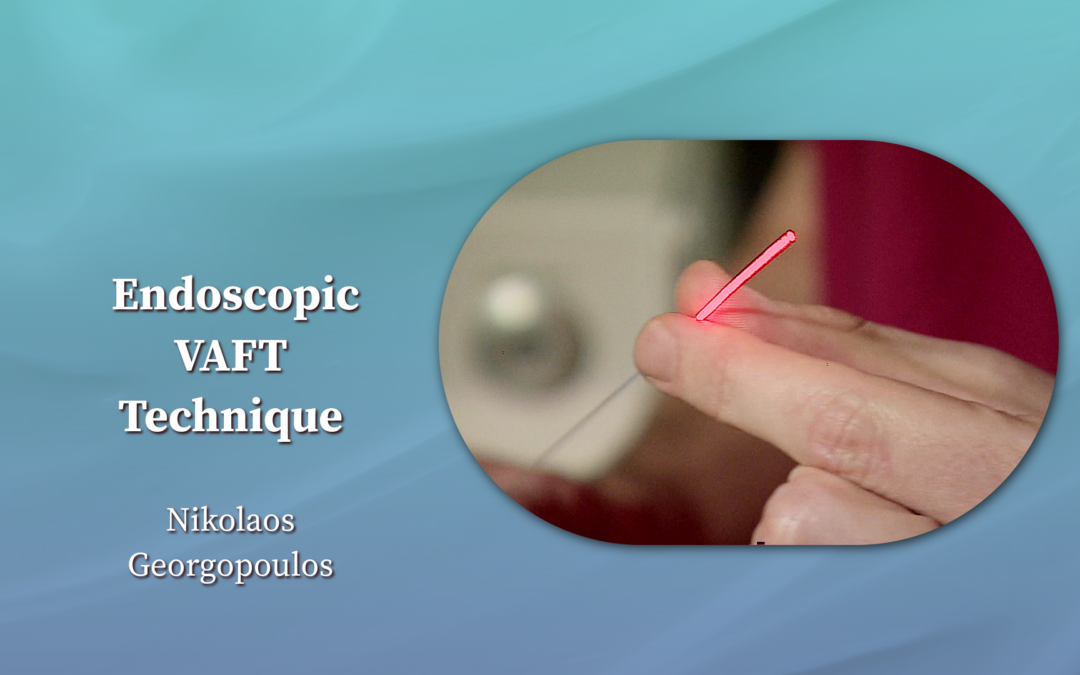 Perianal Fistulas – Endoscopic VAFT Technique Perianal fistulas are a common septic condition affecting the perianal region and frequently develop following a perianal abscess. Symptoms include pain, swelling, redness, and discharge of seropurulent fluid. Fever may...
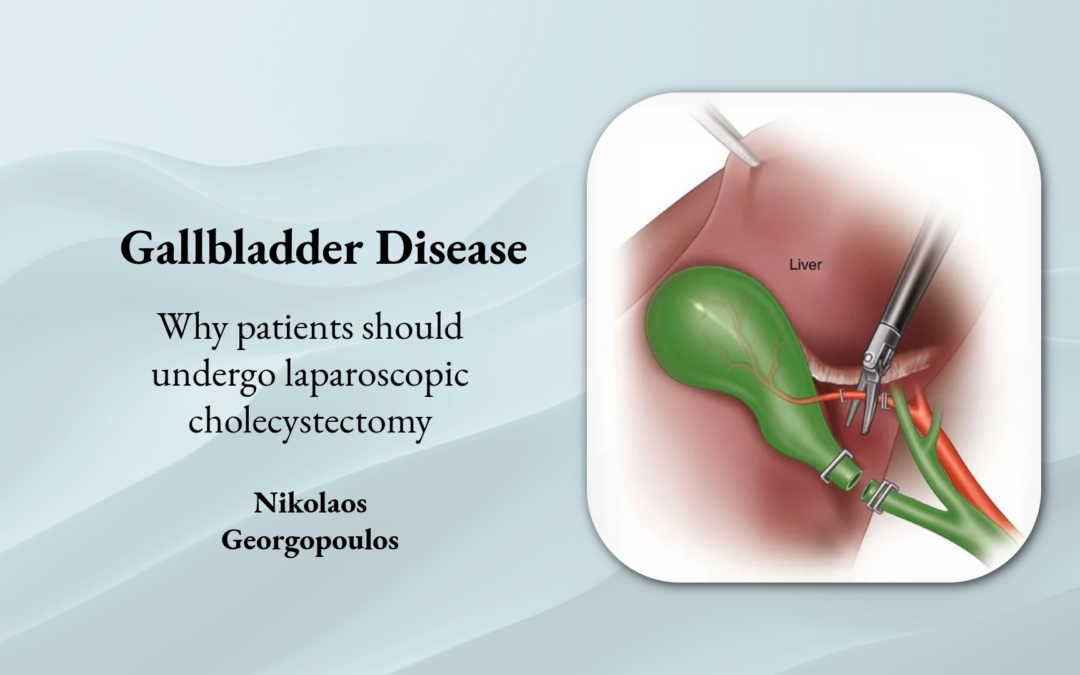 Gallbladder disease – whether we are talking about symptomatic gallstones, recurrent biliary colic, or inflammatory episodes—is a condition that does not promise improvement over time. Once the gallbladder starts to malfunction, it keeps going downhill. That is...
 Obese patients with a high BMI are not operated on “because the medical manual says so.” There are biological and mechanical reasons that make surgical treatment more urgent—and often safer than letting the problem drag on until it explodes. The main reason, put...
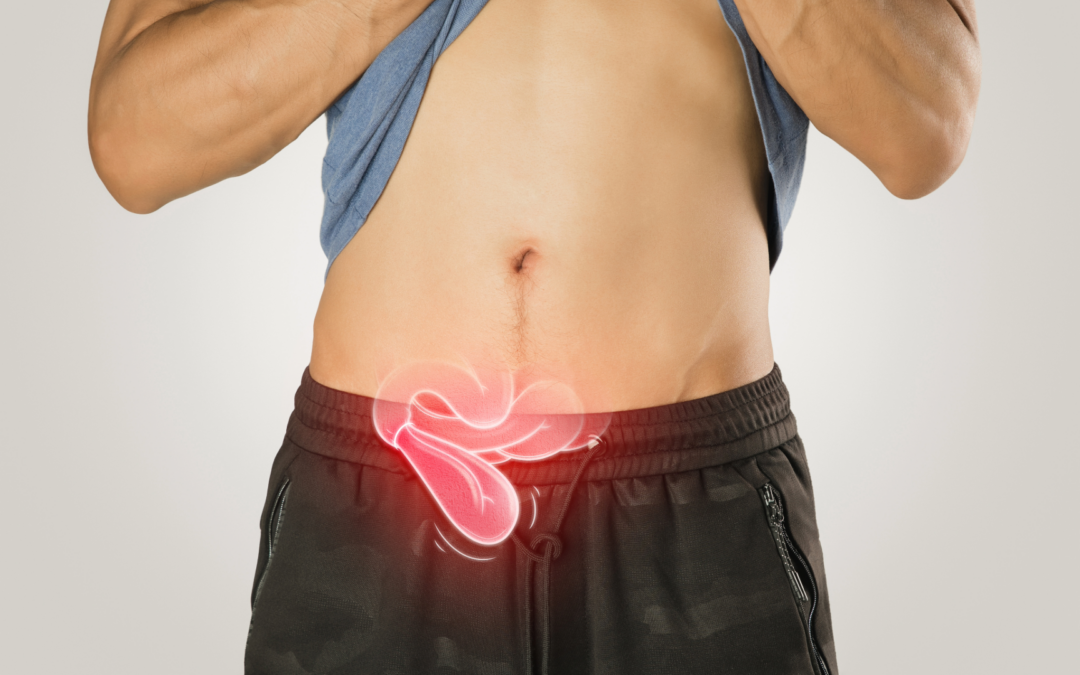 Advantages of laparoscopic inguinal hernia repair The advantages of laparoscopic inguinal hernia repair are fairly clear when you look at them without exaggeration. The method is not magic, but it takes advantage of a simple fact: anatomically, surgery is much calmer...
 In 1989, the first laparoscopic cholecystectomy was performed. Until then, all surgical procedures were carried out using the open approach, involving some form of laparotomy—that is, “opening” the abdomen. From 1989 onward, there was a rapid and widespread shift...