
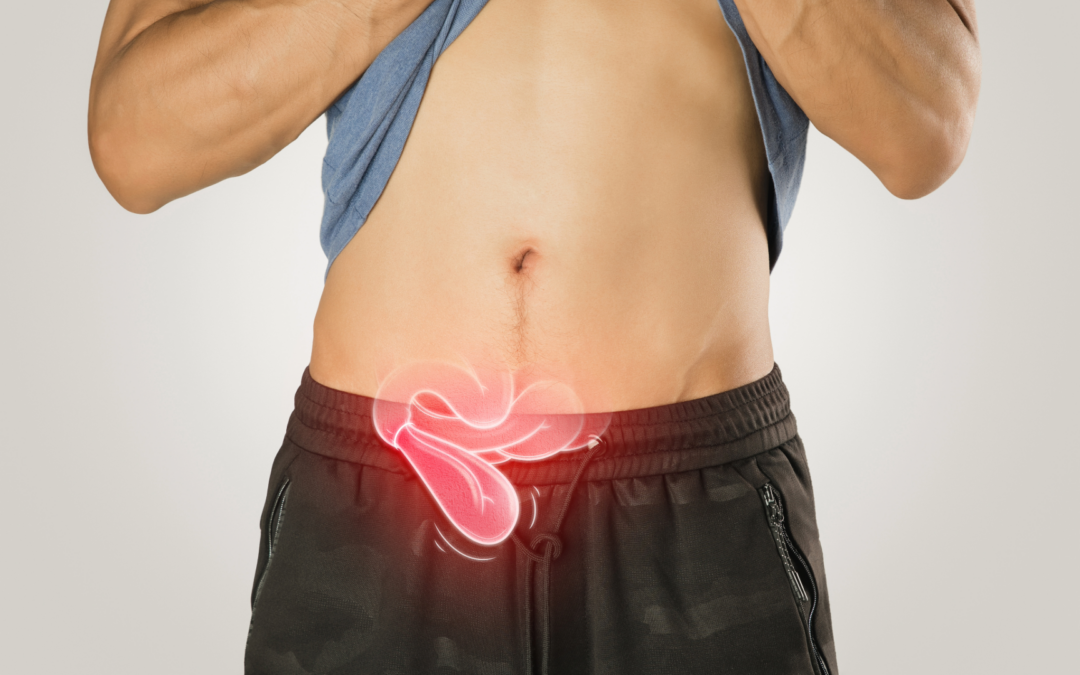
Advantages of laparoscopic inguinal hernia repair
The advantages of laparoscopic inguinal hernia repair are fairly clear when you look at them without exaggeration. The method is not magic, but it takes advantage of a simple fact: anatomically, surgery is much calmer when you use small ports instead of large incisions.
The main benefit is pain. Most patients experience significantly less postoperative pain because the abdominal wall and the inguinal canal are not torn apart. The body “complains” less, and the patient gets up sooner.
Then there is recovery. Walking, functionality, return to work—everything comes back faster. The body hates large wounds; it tolerates small ones far more easily.
Another important point is bilateral hernias. The laparoscopic approach is almost made for this job. You do not need two incisions and two separate surgical fields. You enter once and fix both sides.
Regarding recurrence, when the operation is done properly and with mesh, modern laparoscopic techniques (TAPP or TEP) provide results comparable to open repair. The difference lies more with the surgeon than with the method itself.
There is also the much-discussed issue of chronic inguinal pain. With laparoscopy, the risk of nerve injury appears lower, and therefore the likelihood that a patient will be left with long-lasting discomfort is reduced.
General anesthesia is required, a truly experienced surgeon is necessary to realize these advantages, and the learning curve is steep. But when the conditions are right, the outcome usually speaks for itself.