
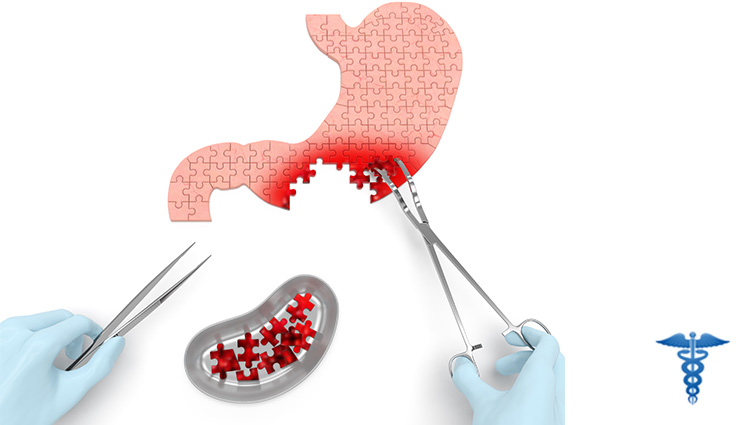
Gastrectomy is one of the principal surgical approaches used in the management of stomach conditions that do not respond to conservative treatment.
It is the operation of choice for malignant gastric tumours, complicated chronic peptic ulcer disease, and selected cases of morbid obesity.
The decision to proceed with gastrectomy is based on strict clinical criteria and aims both to restore health and improve the patient’s quality of life.
What Is a Gastrectomy?
Gastrectomy is a surgical procedure in which part of, or the entire, stomach is removed.
Depending on the underlying condition, the goal is to excise the diseased tissue and reconstruct the remaining digestive tract so that normal function can continue.
The main indications for gastrectomy include:
• Gastric cancer
• Benign gastric tumours or large polyps
• Severe or complicated peptic ulcer disease
• Obesity not responding to other treatments (using specific techniques such as sleeve gastrectomy)
Types of Gastrectomy
Several forms of the procedure exist, depending on the extent of resection and the clinical indication:
• Total gastrectomy: Removal of the entire stomach, followed by connection of the oesophagus to the small intestine.
• Partial (subtotal) gastrectomy: Removal of the upper or lower part of the stomach, with reconstruction to the small intestine.
• Sleeve gastrectomy: The stomach is dramatically reduced in size, forming a narrow tube — mainly for the treatment of obesity.
Before and During the Procedure
Gastrectomy is performed under general anaesthesia and typically lasts 2 to 4 hours.
Pre-operative assessment includes:
• Endoscopic and radiological evaluation (endoscopy, CT, MRI)
• Haematological and cardiological investigations
• In some cancer cases, pre-operative chemotherapy or radiotherapy
How Is the Procedure Performed?
The operation may be carried out through a traditional open approach or laparoscopically (using small incisions and a camera).
The surgeon removes the part of the stomach causing the problem and reconstructs the remaining digestive tract to maintain continuity of digestion.
In malignant disease, lymph node dissection is usually performed for oncological safety.
After the Operation – What to Expect
Recovery requires appropriate care, patience, and close collaboration with the clinical team. It generally includes:
• Hospital stay of 5 to 10 days
• Gradual reintroduction of diet, beginning with liquids and progressing to soft and then regular food
• Vitamin supplementation, particularly following total gastrectomy
• Regular follow-up with blood tests and/or endoscopic evaluation when required
Benefits of Gastrectomy
• Effective treatment of serious or life-threatening conditions
• Significant improvement in quality of life
• In obesity-related surgery, substantial weight loss and overall health improvement
Gastrectomy is a demanding but highly valuable operation that can have a profoundly positive impact on a patient’s life.
With appropriate guidance, information, and post-operative care, most patients return to normal daily activities with improved health and relief from their previous symptoms.
If you have questions or are considering this operation, your surgeon is the appropriate person to offer safe and informed guidance.