
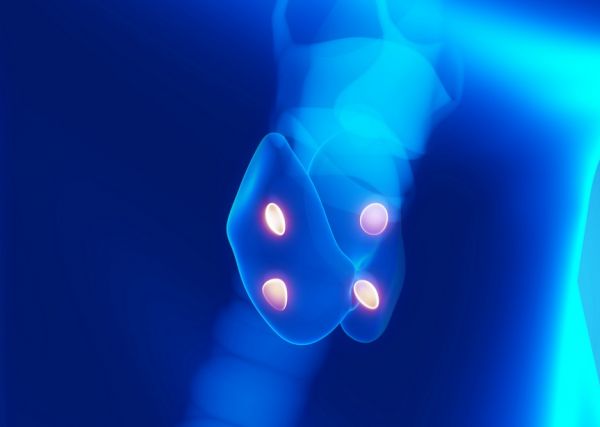
The adrenal glands are two small but crucial endocrine organs situated above each kidney and responsible for the production of hormones such as cortisol, adrenaline and aldosterone.
When one of these glands develops a tumour—either benign or, more rarely, malignant—or causes hormonal hypersecretion, surgical removal (adrenalectomy) is the treatment of choice.
Today, in the majority of cases, this operation is performed laparoscopically, offering substantial benefits to the patient.
What Is Laparoscopic Adrenalectomy?
Laparoscopic adrenalectomy is a minimally invasive surgical technique in which one or both adrenal glands are removed through small incisions in the abdominal wall.
The procedure is performed using high-definition camera systems and specialised laparoscopic instruments.
Compared with traditional open adrenalectomy, the laparoscopic approach results in less surgical trauma, faster recovery and fewer postoperative complications.
When Is the Operation Indicated?
Laparoscopic adrenalectomy is indicated in the following conditions:
• Phaeochromocytoma: A tumour causing excess catecholamine secretion, presenting with hypertension, tachycardia and profuse sweating.
• Cortisol-secreting adenoma: Leading to Cushing’s syndrome.
• Aldosterone-secreting adenoma: Conn’s syndrome, associated with resistant hypertension and hypokalaemia.
• Non-functioning adrenal adenomas: When large (>4–5 cm) and carrying a potential risk of malignancy.
• Adrenal malignancy: In selected early-stage cases where complete excision is feasible.
Preoperative Preparation
Preoperative assessment typically includes:
• Cross-sectional imaging (CT or MRI of the abdomen) to delineate the lesion.
• Comprehensive hormonal evaluation with blood and urine tests.
• Cardiological and anaesthetic assessment, especially in patients with phaeochromocytoma.
• Preoperative pharmacological preparation (e.g., alpha-blockers) when required to stabilise blood pressure.
The Procedure
The operation is performed under general anaesthesia and usually lasts 1.5 to 3 hours.
The surgeon makes 3–4 small incisions on the lateral abdominal wall through which laparoscopic instruments and the camera are introduced.
The adrenal gland is carefully mobilised under magnified visualisation, meticulously dissected from surrounding tissues and vessels, and removed safely.
The incisions are closed with absorbable sutures.
Recovery and Postoperative Course
The minimally invasive approach facilitates rapid postoperative recovery:
• Hospital stay of 1–2 days in the vast majority of cases.
• Return to light activities within a few days.
• Complete recovery within 2–3 weeks, depending on the patient’s overall health.
Analgesia is provided as required, and patients receive instructions for wound care.
Close medical follow-up is essential to monitor hormonal levels and prevent potential disturbances such as hypokalaemia, hypertension or the need for hormonal replacement therapy (particularly following bilateral adrenalectomy).
Laparoscopic adrenalectomy is now the gold standard for the management of most adrenal disorders.
It is a safe, less invasive technique with faster recovery compared to open surgery.
Timely diagnosis, appropriate preoperative preparation and the involvement of an experienced endocrine surgeon ensure excellent therapeutic outcomes.