
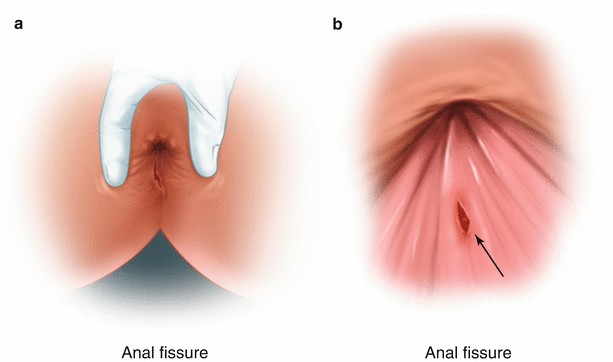
An anal fissure is a common benign condition of the anal region.
Symptoms:
• Severe, sharp pain during defaecation
• Passage of blood during bowel movements, especially in chronic fissures
Diagnosis is established through simple anoscopy of the anal canal — a straightforward examination performed in the outpatient surgical clinic.
Management
In patients diagnosed with an anal fissure, initial treatment should be conservative.
This includes:
• Optimising diet and avoiding constipation by regulating bowel habits
• Application of prescribed topical agents
• Use of analgesics
If conservative measures fail, surgical management becomes necessary.
Timely intervention prevents the worsening of the fissure and the development of fistulae.
The traditional surgical approach is lateral internal sphincterotomy.
A contemporary alternative is Botox injection into the internal sphincter.
Neither method results in faecal incontinence.
The procedure may be performed under regional anaesthesia (spinal or epidural), although general anaesthesia is preferred.
Postoperative course
Patients experience no postoperative pain, with immediate relief following the procedure.
Good local hygiene is required for 5–7 days, including regular warm sitz baths.