
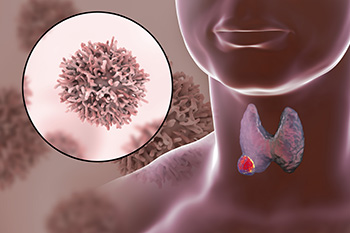
Neck lymph node dissection is a specialised surgical procedure performed primarily in cases of malignant tumours of the head and neck.
Its purpose is the removal of lymph nodes that have either been infiltrated by malignant cells or are considered at high risk for metastatic involvement.
The operation plays a key role in improving oncological outcomes and preventing further disease spread.
What is a Neck Lymph Node Dissection?
It is a surgical procedure during which defined groups of cervical lymph nodes are removed with the aim of eliminating metastatic disease or reducing the likelihood of regional dissemination.
Lymph node dissection commonly forms part of the treatment pathway for thyroid cancer, laryngeal cancer, oral cavity malignancies, and other head and neck tumours.
Indications
The procedure is indicated in:
- Thyroid carcinoma with confirmed or suspected lymph node metastases
- Laryngeal, pharyngeal, or oral cavity cancers, where cervical nodal metastasis is frequent
- Head and neck melanoma with nodal involvement
- Malignant tumours of the salivary glands requiring regional nodal clearance
Types of Neck Dissection
Depending on the required extent of surgery, neck dissection is classified as:
Selective Neck Dissection
Only lymph node groups at significant risk of harbouring metastases are removed, while preserving the surrounding anatomical structures.
Modified Radical Neck Dissection
All lymph nodes within a defined cervical region are excised, but key structures — such as the sternocleidomastoid muscle, the spinal accessory nerve, and the internal jugular vein — are preserved.
Radical Neck Dissection
A comprehensive procedure involving removal of all lymph node groups as well as the sternocleidomastoid muscle, spinal accessory nerve, and internal jugular vein.
This represents the most extensive form of cervical lymphadenectomy.
The Procedure
Neck dissection is performed under general anaesthesia and typically lasts between 2 and 5 hours, depending on the complexity and extent of disease.
Preoperative Assessment
Prior to surgery, patients undergo:
- Cross-sectional imaging (CT, MRI) or ultrasound for precise mapping of involved nodes
- Fine-needle aspiration cytology (FNA) to confirm metastatic involvement
- Routine haematological and cardiopulmonary evaluation to ensure fitness for anaesthesia
Operative Technique
The surgeon makes carefully planned incisions in the neck, tailored to the nodal levels requiring clearance and designed to optimise both functional and aesthetic outcomes.
Modern operative practice includes:
- Intraoperative nerve monitoring, particularly for the spinal accessory nerve and laryngeal function
- Segmental removal of nodal tissue to preserve as much normal anatomy as possible
- Use of operative magnification, enhancing precision and minimising the risk of iatrogenic injury
Following lymphadenectomy, haemostasis is secured and drains are placed to prevent postoperative fluid accumulation.
Recovery and Postoperative Care
The length of hospital stay varies according to the extent of surgery but is commonly 1–3 days.
Postoperative recommendations include:
- Avoidance of strenuous activity for at least 2–4 weeks
- Monitoring the incision for signs of infection or swelling
- Early initiation of physiotherapy and shoulder/neck mobility exercises, especially after extensive dissections
- Regular follow-up to assess healing and to determine the need for adjuvant treatments such as radiotherapy or chemotherapy
Neck lymph node dissection remains a cornerstone procedure in the management of head and neck malignancies.
Although technically demanding, outcomes are excellent when performed by experienced head and neck or endocrine surgeons, combined with appropriate postoperative care.
For patients diagnosed with cancers requiring cervical lymphadenectomy, early consultation with a specialist surgeon is essential to ensure optimal treatment planning and long-term disease control.