
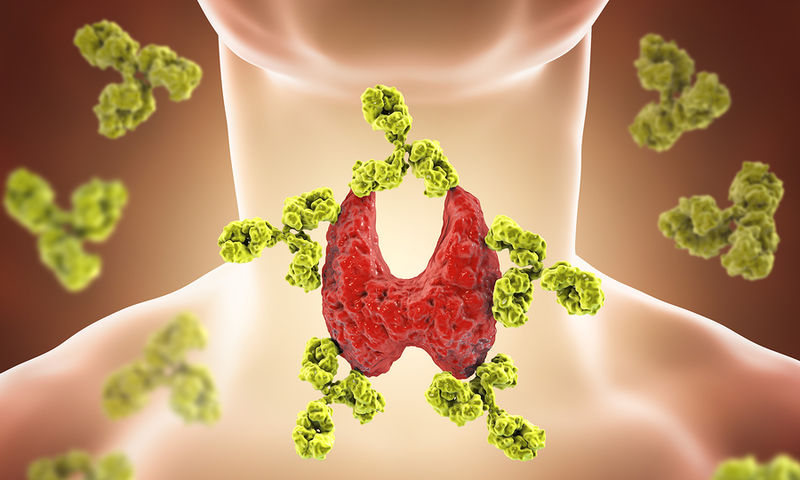
The thyroid gland is one of the most important regulators of metabolism and energy balance in the body.
When it develops pathology—benign or malignant—it can significantly affect an individual’s quality of life.
Thyroidectomy, the surgical removal of the thyroid gland, is often recommended as a therapeutic option in such cases.
What Is Thyroidectomy?
Thyroidectomy is the surgical procedure in which part or the entirety of the thyroid gland is removed.
The thyroid is a key endocrine organ responsible for producing hormones that regulate metabolism, as well as the growth and function of numerous bodily systems.
When problems arise, such as nodules, hyperthyroidism or cancer, removal of the gland may be necessary.
Diseases of the Thyroid Gland
Several conditions may lead to the need for thyroidectomy:
• Benign nodules: Although non-cancerous, they may enlarge sufficiently to cause difficulty in breathing or swallowing.
• Thyroid cancer: Although generally curable, thyroidectomy is a fundamental therapeutic option.
• Hyperthyroidism: When the gland is overactive and other treatments are ineffective, partial or total removal may be required.
• Thyroiditis: Certain inflammatory conditions of the thyroid may cause chronic issues and necessitate surgical management.
Types of Thyroidectomy
Depending on the severity and nature of the disease, thyroidectomy may be:
• Total thyroidectomy: Removal of the entire thyroid gland. This is essential in cases of cancer or severe pathology (the most common approach).
• Subtotal thyroidectomy: A less extensive resection that leaves a small portion of the gland.
• Lobectomy (hemithyroidectomy): Removal of a single lobe when disease is localised.
• Extended thyroidectomy: Includes removal of adjacent tissues in cases of advanced malignancy.
The Procedure
Thyroidectomy is performed under general anaesthesia and typically lasts 1–2 hours.
Preoperative preparation includes blood tests, assessment of thyroid function and imaging such as ultrasound or CT scan.
On the day of the operation, the patient arrives fasting and undergoes general anaesthesia.
A small incision is made at the base of the neck, positioned so that the resulting scar is discreet during recovery.
Through this incision, the surgeon accesses the thyroid gland and removes part or all of it with precision, depending on the required extent.
The procedure is often performed with the use of a nerve monitoring device to protect the laryngeal nerves, thereby safeguarding postoperative voice function.
In selected cases, minimally invasive techniques—such as endoscopic or robot-assisted thyroidectomy—may be used, offering smaller incisions, reduced postoperative pain and faster recovery.
Following the operation, the patient is transferred to the recovery unit and can typically return home the following day.
Recovery and Postoperative Instructions
Recovery after thyroidectomy is generally rapid, and most patients resume normal activities within 1–2 weeks.
However, several important postoperative recommendations should be followed:
• Rest and avoidance of strenuous physical activity for the first two weeks.
• Adequate hydration and balanced nutrition to support wound healing.
• Thyroid hormone replacement therapy if required, depending on the extent of gland removal.
• Regular medical follow-up to regulate thyroid hormone levels.
• Appropriate scar care to achieve the best possible aesthetic outcome.
Thyroidectomy is an effective surgical solution for individuals with significant thyroid disease.
Although the idea of undergoing surgery may seem stressful, advances in surgical technology ensure high success rates and quick recovery.
If you experience symptoms or concerns relating to your thyroid, consultation with a specialist surgeon is essential.
Early diagnosis and treatment are key to maintaining good health and quality of life.